
Mescaline Cacti
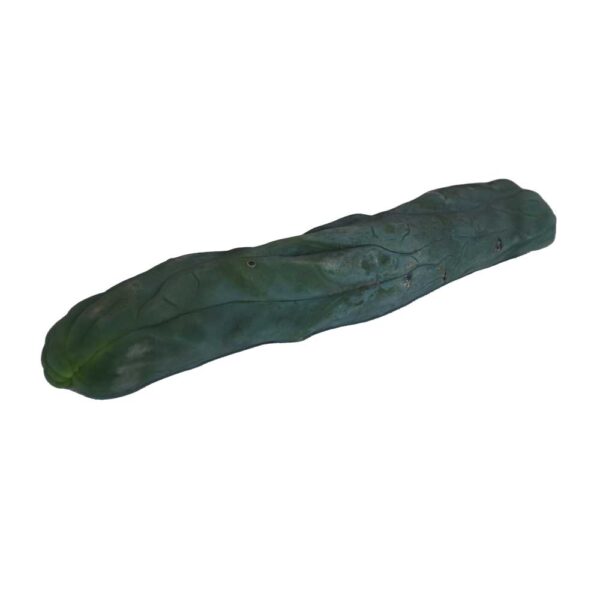
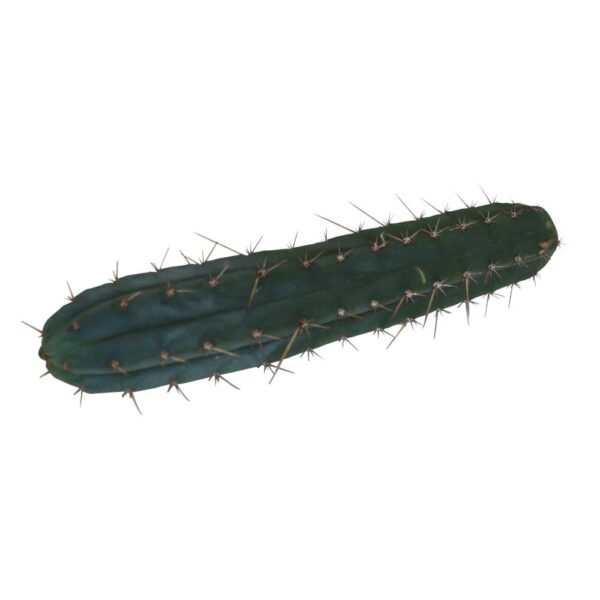
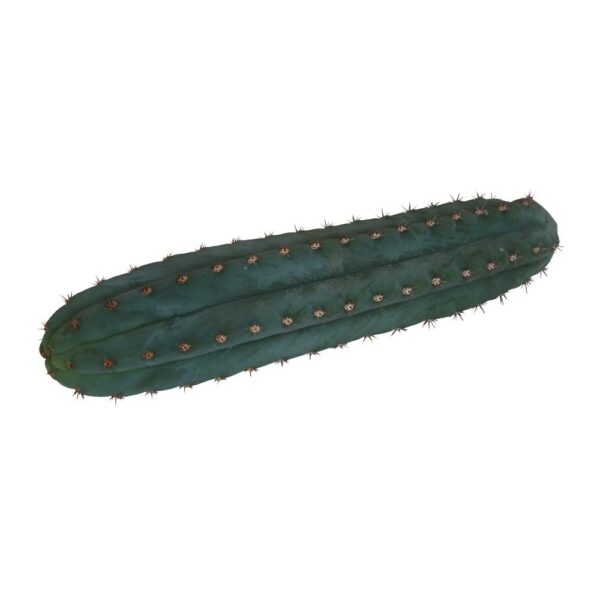
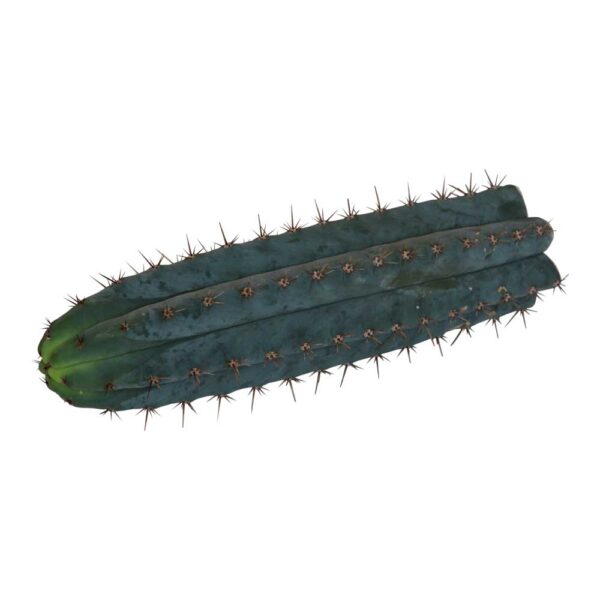
Mescaline Cacti – A Botanical Overview
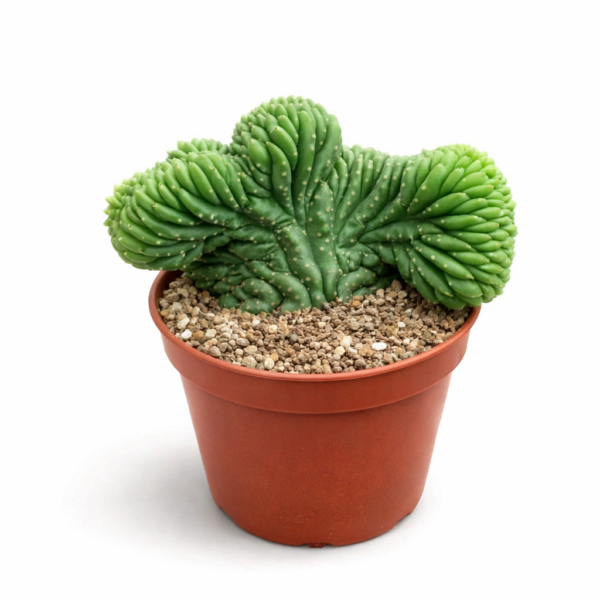
Mescaline cacti are distinctive desert plant species belonging primarily to the Trichocereus and Lophophora genera, native to arid regions of South America. These sculptural cacti are admired for their ribbed columns or compact, button-like forms, their ability to store water in harsh climates, and their long-standing botanical history. Today, mescaline cacti are cultivated worldwide as ornamental plants and collector’s specimens, valued for their architectural presence and impressive longevity.
Growing mescaline cacti is less about speed and more about stability. With proper light, mineral-rich soil, and a balanced watering rhythm, these desert species develop slowly but consistently over many years. For collectors who appreciate structure, resilience, and long-term cultivation, mescaline cacti represent a unique and rewarding plant category.
What Are Mescaline Cacti?
Mescaline cacti are members of the Cactaceae family and are specially adapted to survive in dry, sun-intense environments. Their thick, fleshy stems act as water reservoirs, allowing them to endure extended drought periods. The vertical ribs found on many species are functional as well as aesthetic, expanding and contracting depending on moisture availability.
Within this category, the most recognized species include:
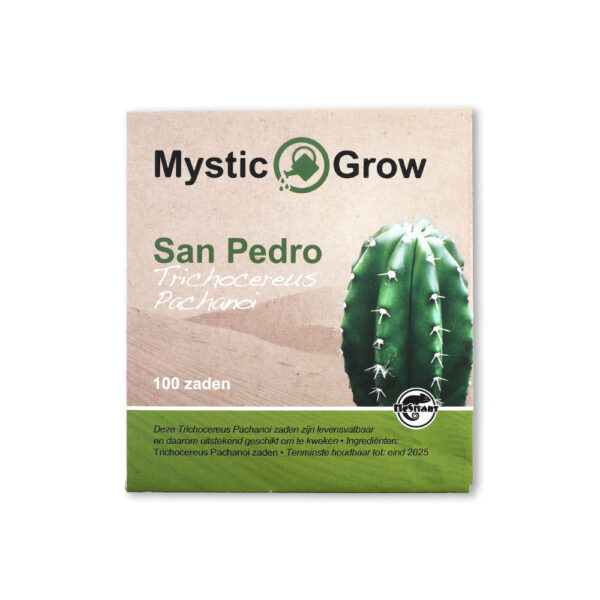
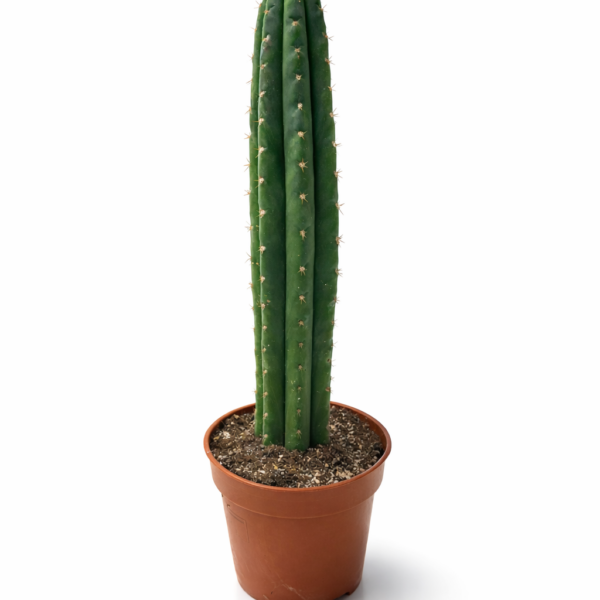
Trichocereus pachanoi (San Pedro) – A fast-growing columnar cactus with smooth ribs and bright green coloration.
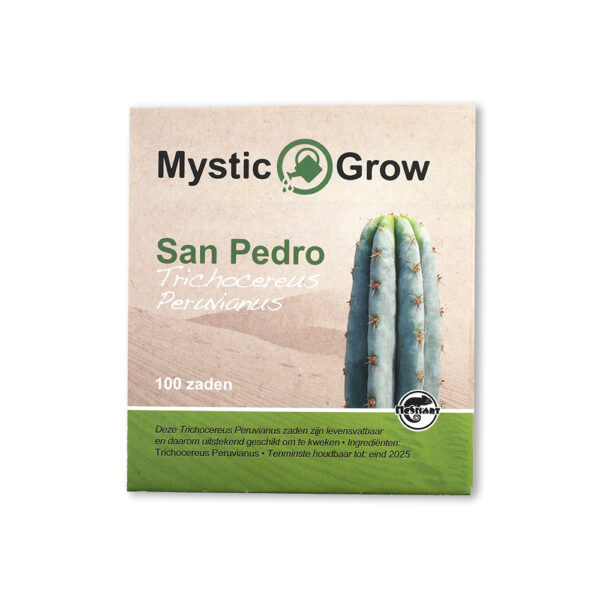
Trichocereus peruvianus (Peruvian Torch) – Known for its bluish tone and stronger spines.
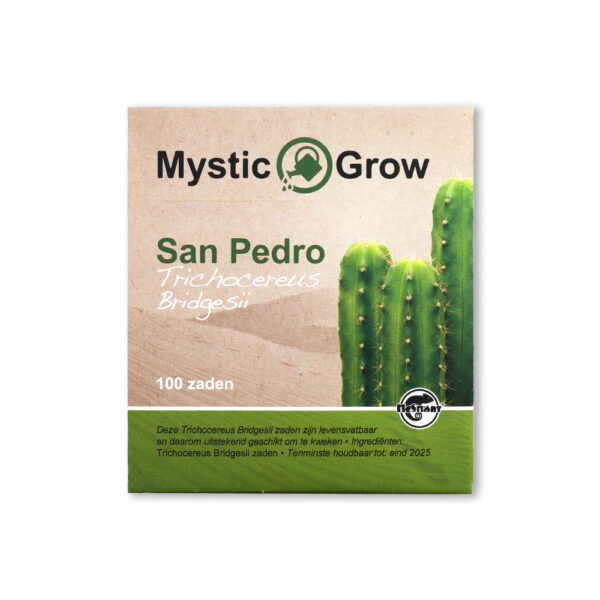
Trichocereus bridgesii (Bolivian Torch) – Slimmer columns with pronounced rib definition.
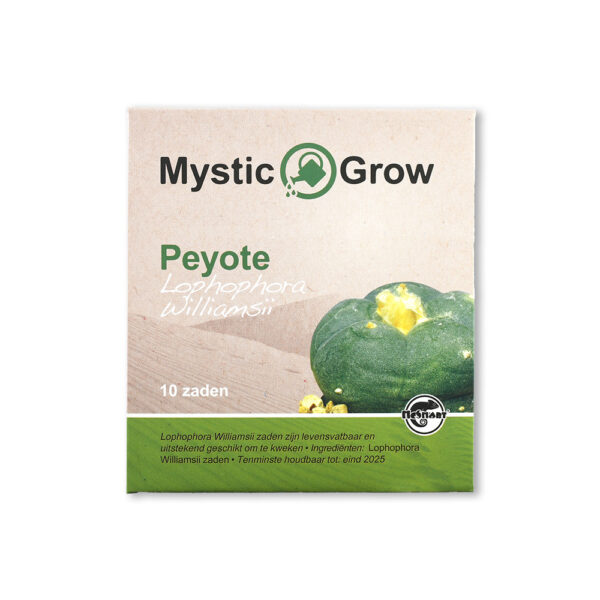
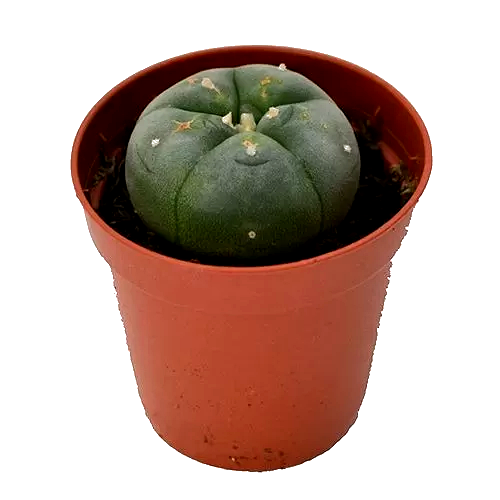
Lophophora williamsii (Peyote) – A small, rounded, spineless cactus with extremely slow growth.
While these species differ in appearance, they share key desert adaptations: efficient water storage, reduced evaporation through thick skin, and seasonal growth cycles.
Mescaline cacti are cultivated primarily as ornamental and collector plants. Their appeal lies in their geometry, longevity, and botanical heritage rather than rapid growth or temporary display value.
How Do You Grow Mescaline Cacti?
Successful cultivation begins with understanding their natural habitat. Mescaline cacti originate from dry regions with intense sunlight, well-draining soil, and clear seasonal rhythms.
Light
Bright light is essential. Gradual exposure to direct sunlight prevents stress, especially for young plants. Indoor growers often position mescaline cacti near south-facing windows or use full-spectrum grow lights to maintain steady development.
Soil
Drainage is critical. A mineral-dominant substrate containing pumice, lava rock, coarse sand, or perlite helps prevent excess moisture around the roots. Heavy organic soil should be avoided.
Watering
Mescaline cacti prefer a clear wet-dry cycle. During spring and summer, water thoroughly but allow the soil to dry completely before watering again. During autumn and winter dormancy, watering should be minimal.
Overwatering remains the most common mistake in cactus cultivation.
Temperature
Warm conditions and low humidity mirror their native climate. Most species tolerate moderate cool periods but should be protected from frost. In colder regions, indoor or greenhouse overwintering is recommended.
When these basic principles are followed, mescaline cacti become remarkably resilient and low-maintenance plants.
Why Choose Mescaline Cacti?
Collectors and plant enthusiasts choose mescaline cacti for several compelling reasons.
First, their architectural presence is unmatched. The clean vertical lines of columnar species create strong visual impact in modern interiors, greenhouses, or desert-style gardens.
Second, their longevity sets them apart. With consistent care, mescaline cacti can live for decades, gradually developing thicker columns, deeper ribs, and more pronounced structure over time.
Third, they reward patience. Unlike fast-growing ornamental plants, mescaline cacti evolve slowly. Their development reflects stable care and environmental balance rather than rapid intervention.
Finally, they carry botanical significance. These species are part of a long desert ecology tradition and have been studied and cultivated for generations. For many collectors, growing mescaline cacti represents appreciation for resilient plant adaptation and sustainable cultivation practices.
Responsible Cultivation
As interest in mescaline cacti continues to grow globally, ethical sourcing remains essential. Wild populations should be protected, and cultivated nursery-grown specimens are always the responsible choice.
Before purchasing or growing mescaline cacti, verify local regulations in your country. Laws vary internationally, and informed ownership is part of responsible cultivation.
Discover Mescaline Cacti
Mescaline cacti combine resilience, structure, and long-term botanical value in one remarkable plant category. Whether starting from seed, selecting a rooted cutting, or choosing an established specimen, these desert species offer a cultivation experience defined by patience and architectural beauty.
Explore responsibly cultivated mescaline cacti and add enduring desert character to your collection.
Frequently Asked Questions - Mescaline Cacti
Psychoactive cacti like San Pedro (Echinopsis pachanoi) and Peyote (Lophophora williamsii), known for their visionary effects.
The plants are legal in many countries, but extracting or consuming mescaline may be restricted. Check your local laws.
Yes, they are slow-growing but suitable for pots or outdoor gardens.
They can take several years to mature fully, depending on species and environment.
Yes. They need sunlight, minimal water, and well-draining soil.
Traditionally, yes—but only where legal. Always respect local laws and traditions.
We offer both. Seeds take longer, but cuttings root and grow faster.
San Pedro grows faster and is legal in more places. Peyote is smaller, slower, and often culturally protected.
 Herbs & Seeds
 Kanna
Kanna Kratom
 Mescaline Cacti
 Party Supplements
 Rapé
Rapé Drugs Test
 Tinctures
 Magic Mushrooms Grow kits
 Magic Truffles
 Medicinal Mushrooms
 Liquid Culture Syringes
 Sporen prints
 Sporen Vials
 SporenSpuiten
 Growing supplies
 CBD Products
 Supplements Vitamins
 Microdosing Truffles